About Us
The ASU Sun Devil Satellite Laboratory (SDSL) is a student-led organization dedicated to the design, construction, and operation of small satellites and space systems. We provide hands-on experience in aerospace engineering, software, and project management, empowering students to contribute to real-world space missions.
Current Projects
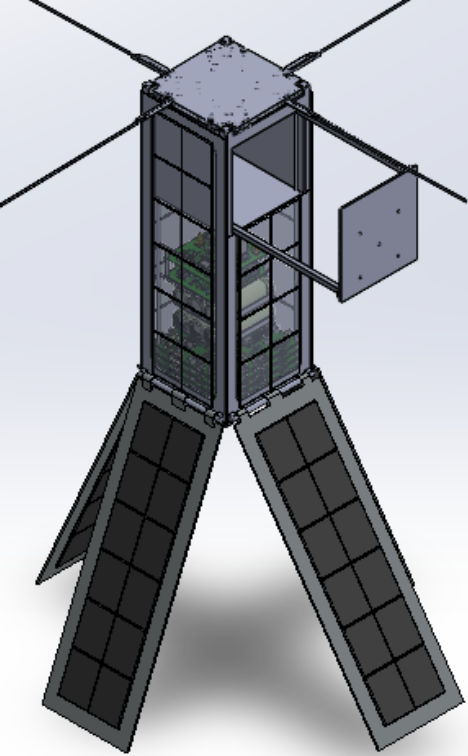
SquidSat
SquidSat is a 3u CubeSat that provides a universal satellite CubeSat bus with plug-in-play technology along with flying two other payloads in partner with Luminosity Laboratory and Power Electronics and Energy Conversion Lab.
Learn More.
Coconut CubeSat
Coconut will enable the creation of a communication network between different LoRa devices, allowing remote ground nodes to uplink data to the CubeSat to be downlinked at the ASU ground station.
Learn More. Amateur Radio Overview.

ASCEND High Altitude Balloon
Arizona Space Grant program designed to engage undergraduate students from the state of Arizona to build, design, fly, operate, and analyze for a full space mission cycle.
Learn More.

Pulsed-Plasma Thruster
Pulsed-plasma thrusters may be attached to satellites to allow for attitude control as well as maintaining/dismissing orbit. Their small size, long lifetime, and unintrusive design can significantly benefit the longevity of missions for little design cost.

Inferno NASA Human Lander Challenge
NASA's Human Lander Challenge (HuLC) 2026 is an undergraduate research project attempting to solve the various difficulties faced when designing human landers. Inferno will be focusing on water transfer systems.
Past Projects
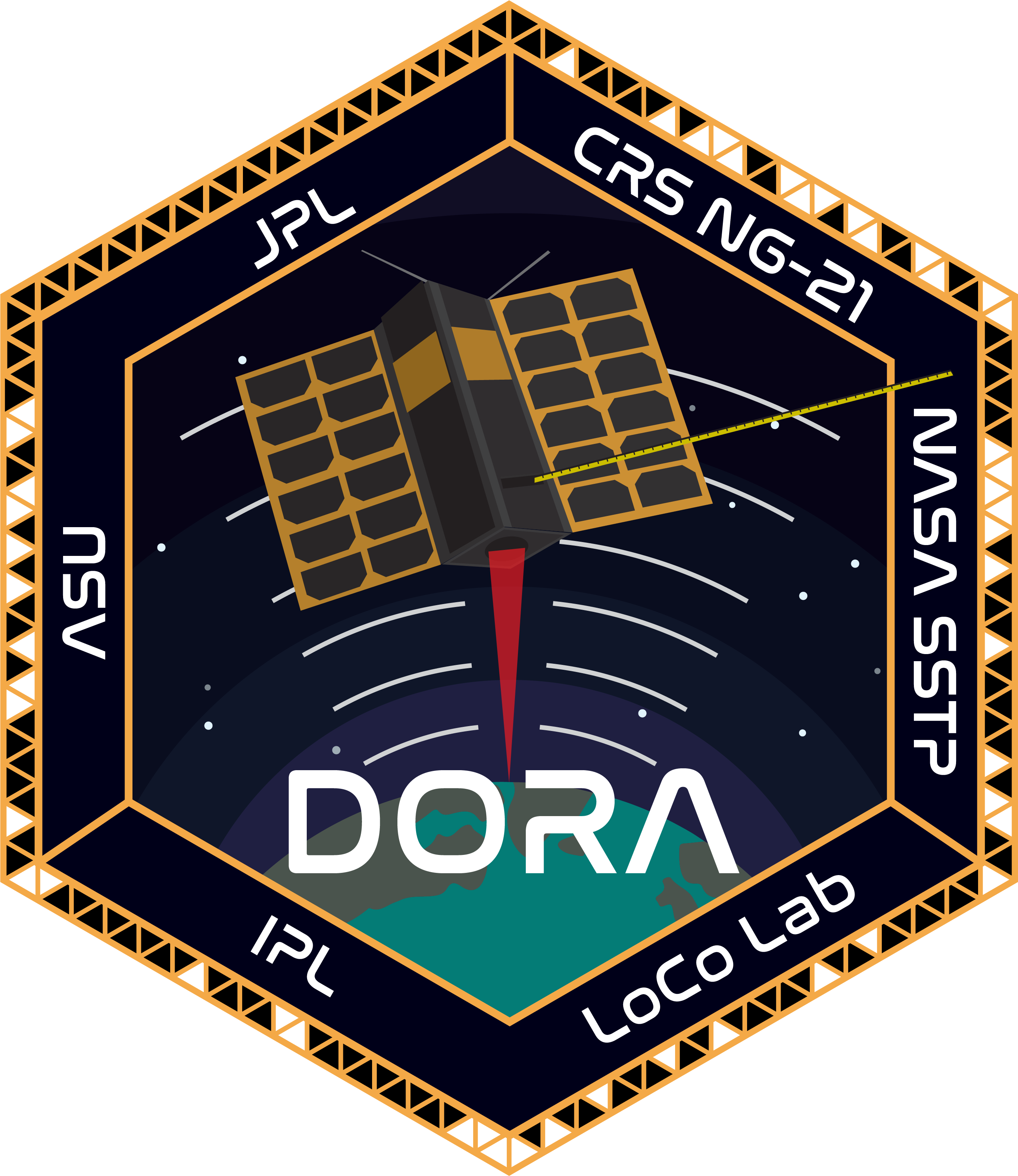
DORA CubeSat
Deployable Optical Receiver Aperture - build in partnership with NASA's Jet Propulsion Laboratory.
Learn More.

LightCube
LightCube is a microsatellite educational mission that aims to produce a light visible to the naked eye of observers on Earth. The spacecraft will be triggered via HAM radio by enthusiasts, aiming to inspire and provide a learning experience to people across the planet Earth.
Learn More.

Phoenix CubeSat
Phoenix is a 3U CubeSat designed by students from Arizona State University (ASU) which aims to study UHIs from Low Earth Orbit (LEO) through infrared remote sensing.
Learn More.